
How to Choose a Wheel Fastener Manufacturer in China: Start With Your Own Business
The best supplier is the one that fits your business. How OE buyers, price-driven importers and brand builders should choose, and what to ask any factory before the first order.
By the Shenzhao engineering team · Wheel fastener manufacturer in Ningbo since 2009 · IATF 16949
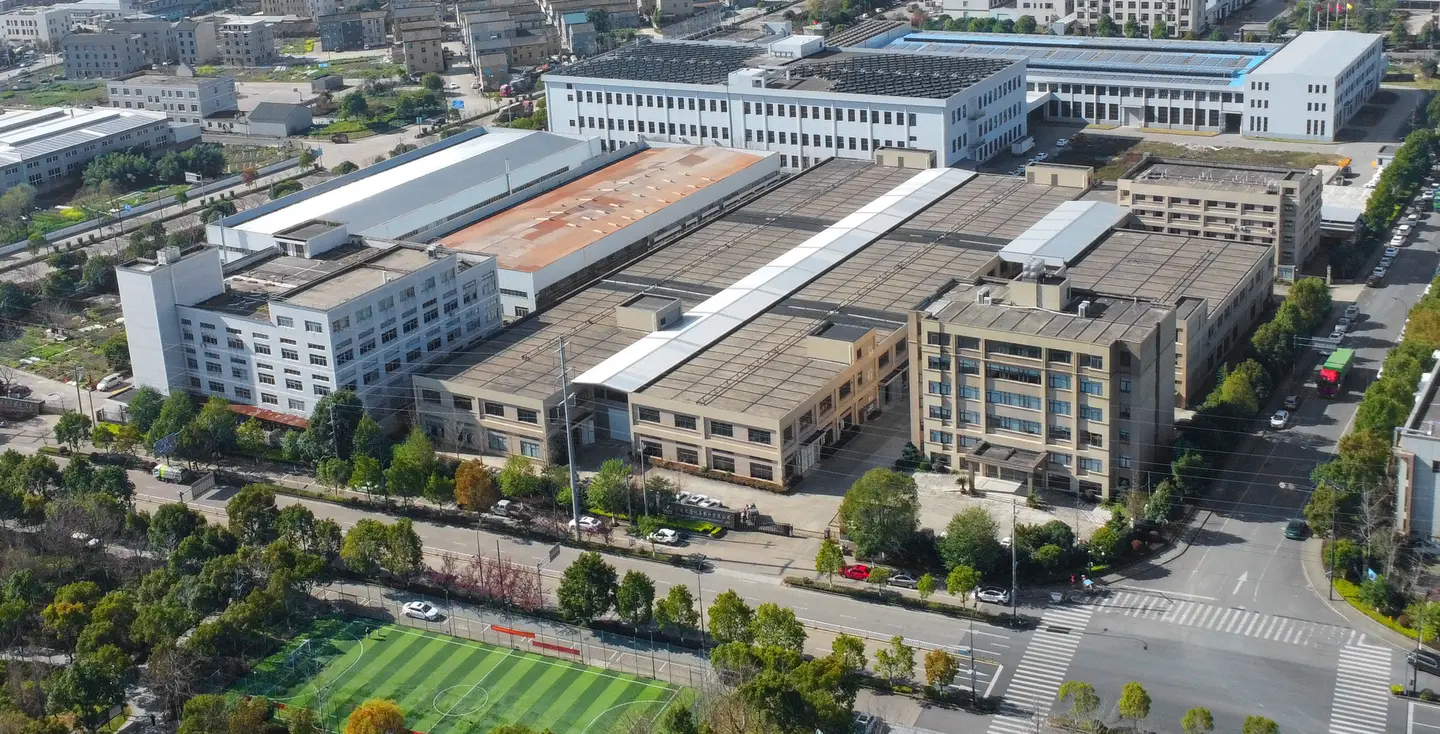
There is no single “best” wheel fastener manufacturer. The best supplier is the one that fits the way your business works. Before you compare factories, answer three questions about yourself: do you buy one specification in very large volumes or many specifications in workable quantities; is your market driven by price or by quality and brand; and how much time can you spend managing suppliers?
| Your business | What you need most | Supplier that usually fits | What to check |
|---|---|---|---|
| OE or Tier supplier | One part to drawing, very high volume, full reports on every lot | Large plant that can build a dedicated, automated line | Line capacity, automatic inspection, full documentation |
| Price-driven aftermarket | The lowest price, “having the part” first | Lowest-cost producer | Basic strength class and thread fit, because these are safety parts |
| Balanced aftermarket | Market-standard quality at a good price | Factory with the lowest total cost: price plus communication | Clear specs, stable quality, easy communication |
| Brand builder | A range that stands out: specs, finish, color, packing | Flexible, engineering-led manufacturer with a partner network | Process knowledge, control of partner plants, batch inspection |
01Start With Your Own Business, Not the Supplier List
Every buyer already knows a lot about their own products and market. That knowledge is the real starting point. A supplier that is perfect for one buyer can be the wrong choice for another, even if it makes good parts.
OE and Tier suppliers. Parts are made strictly to drawing. Volumes per part number are very large, every lot comes with a complete inspection report, and the customer audits and samples on top of that. This is what large plants are built for: a dedicated production line for one part, running around the clock, with a verifiable standard from raw material to finished part and automated inspection on the line. It is expensive to set up, but for high-volume, high-requirement OE programs it is exactly the right model.
Price-driven aftermarket buyers. Some markets simply need the part to exist at the lowest possible price: first solve “do we have it”, then “is it good”. In that case the lowest-cost producer is often the only realistic choice. Just remember that wheel nuts and bolts hold a wheel on a car. Even at the lowest price, insist on the correct strength class and thread fit.
Balanced aftermarket buyers. Many importers and distributors want a sensible balance: current market standards are good enough, and what matters is a fair ex-works price and easy communication. For them, the right supplier is the one with the lowest total cost, which includes the time spent managing it.
Brand builders. A growing group of buyers wants a range that is not the same as everyone else’s: a different corrosion rating, a wider range for their vehicle park, their own colors, packing and marking, parts that do not chip in the box. They need a different kind of supplier, described in section 04.
02Factory or Trading Company?
Many buyers insist on buying direct from a factory. The reason is sound: no middle margin, and direct access to the people who make the part. But it is not always the better choice. In many factories the owner runs production well but has little time or skill for export communication, documents and problem solving. Then the buyer’s time and communication costs go up, not down.
That is why many buyers are happy with a good trading company: it acts as a filter, choosing and controlling suppliers for them. The best of both is a factory with its own export team, which gives you factory cost and control together with clear, fast communication.
03Large Plant or Small and Medium Plant?
A large plant wins on scale: the same part, in huge volumes, at the lowest unit cost. Its weakness is flexibility. Setting up a line for a small run does not pay, and small orders wait behind big ones.
The aftermarket works the other way. A distributor needs many sizes, seats and finishes, each in a modest quantity, so a dedicated line for each part is not possible. Here small and medium manufacturers are usually stronger: they change over quickly, accept workable quantities and adjust details without a long approval chain.
04What a Flexible, Engineering-Led Supplier Looks Like
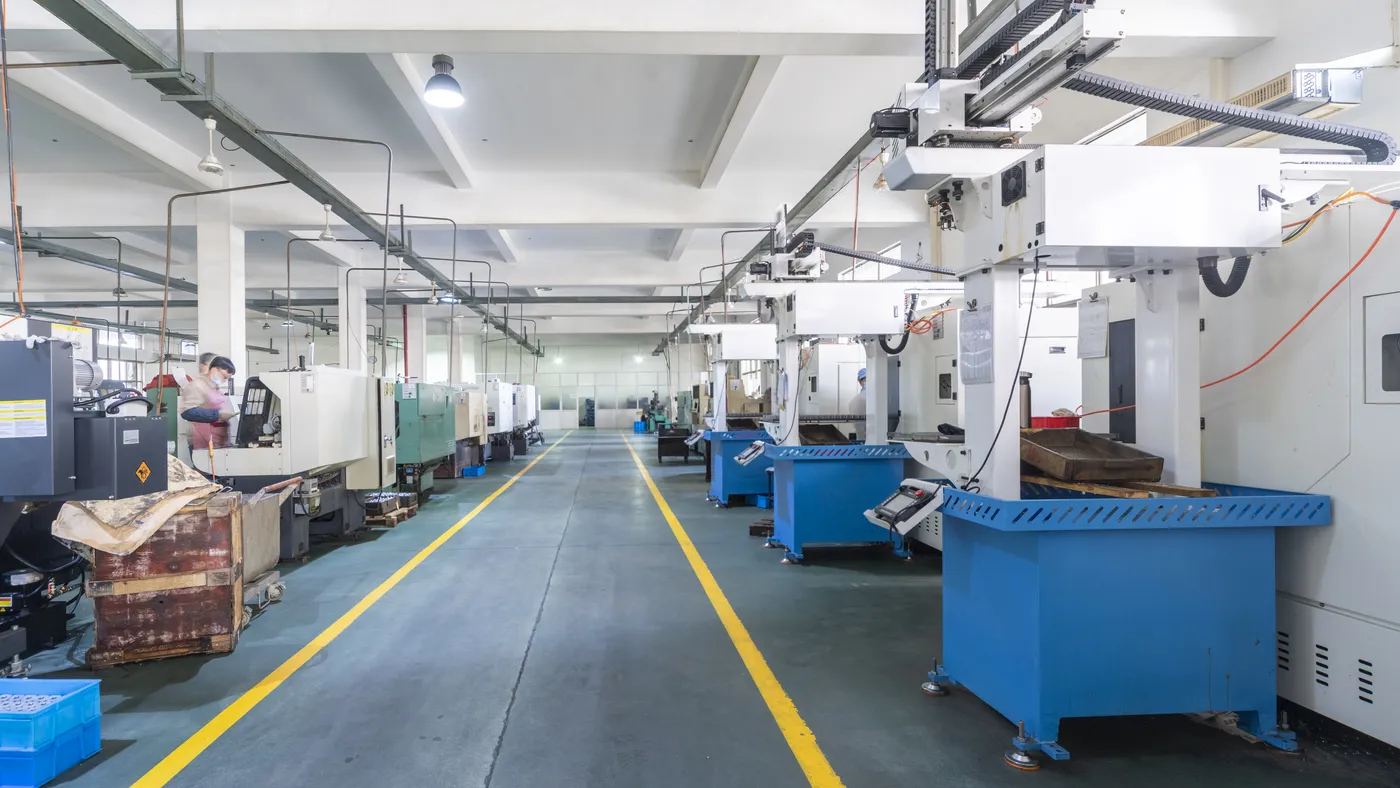
If you want to build a brand or open a new market, you need more than a factory that copies a sample. You need a supplier that understands why a part is designed the way it is, and therefore knows what can be changed safely and what cannot. In practice that means:
- Process knowledge, not only machines. The supplier understands cold forging, hot forging, machining, heat treatment and finishing, and can tell you which route suits your part.
- Thinking from first principles. Starting from what the part must do on the vehicle, it can suggest where to adjust: length, hex, seat, marking, material or coating.
- Breadth beyond one product. Familiarity with metric, UNF and BSF threads, the main engineering standards (such as DIN 74361 for truck wheel nuts) and a wide range of finishes.
- Working with you on the market. Not just shipping orders, but helping you match the vehicles, climate and price level of a new market.
Typical things a brand builder adjusts: the salt-spray rating, the range of sizes for its vehicle park, finish color, marking, packaging and labels, and chip-resistant finishes so parts still look new when they reach the customer. Our guide to lug nut finishes explains how to choose and specify a coating.
05Partner Plants: Why They Lower Cost, and Why Control Matters
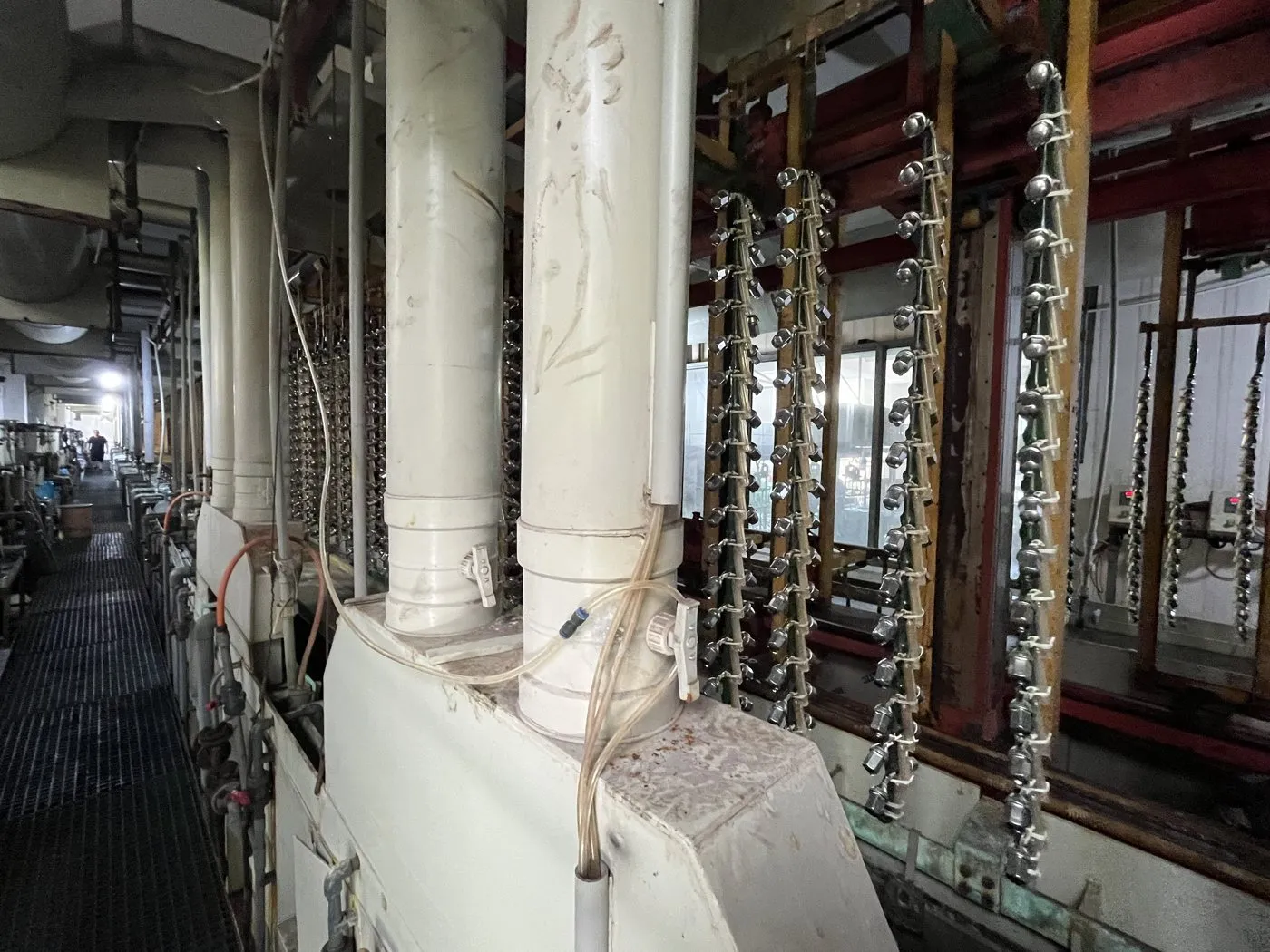
No aftermarket manufacturer does every process in house. Plating, heat treatment and forging need large, specialized lines that only pay off at high volume. Without dedicated lines, a supplier keeps cost down by working with specialized partner plants for each process.
Partner plants are not a weakness in themselves. The question is whether the supplier can choose good partners and control them. That depends on its technical experience and on one thing above all: a clear standard for checking every lot that comes back from a partner. Without it, the result is the classic aftermarket problem: one good batch, then one bad one.
06Inspection: What to Expect, Honestly
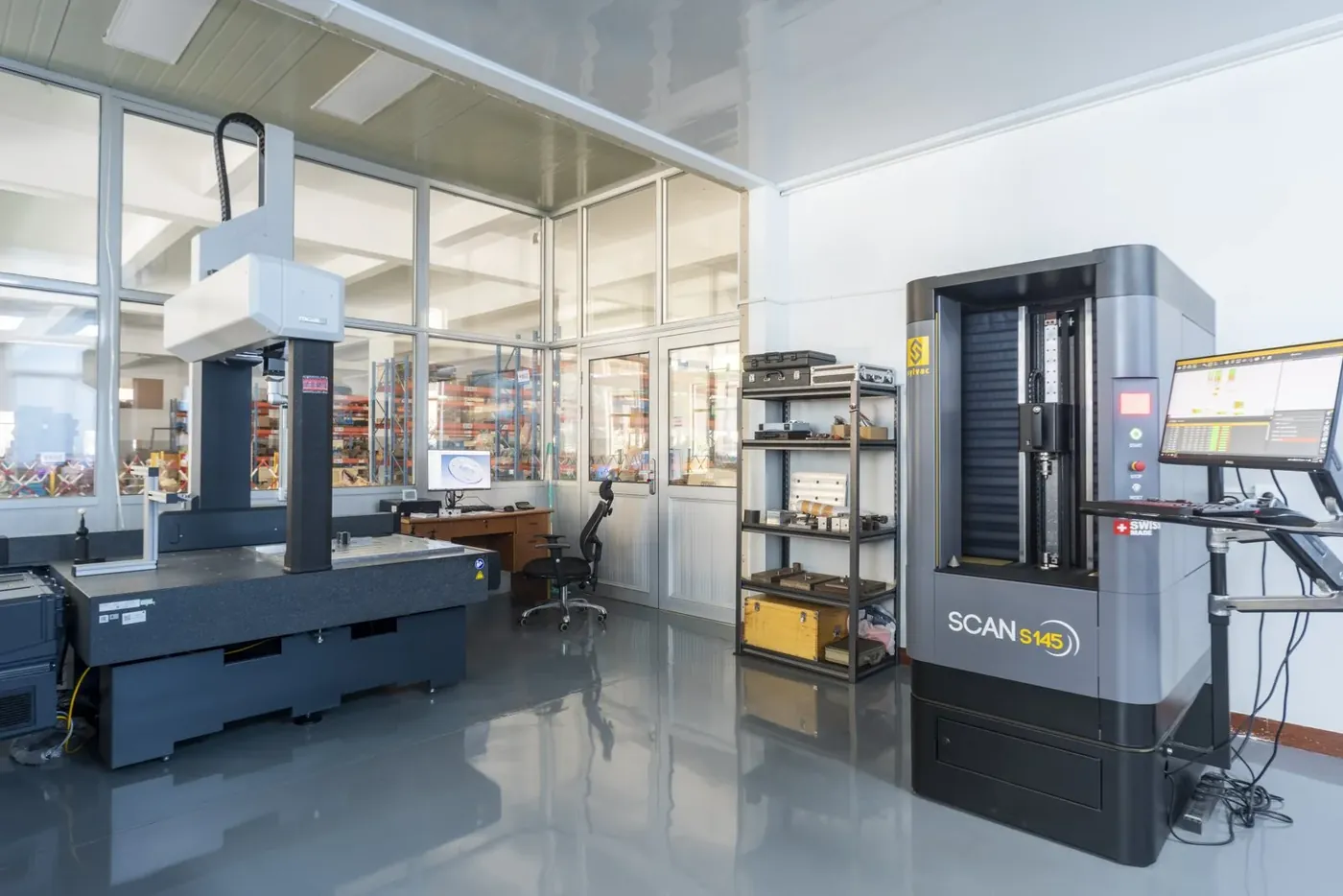
Ask exactly what is checked, and how often:
- On every batch: thread fit with go / no-go gauges, dimensions, salt-spray testing and appearance. These catch most real-world problems.
- At the sample stage: hardness and tensile strength tests, with reports. Industry practice is not to repeat hardness tests on every batch once the process is stable; most buyers, including demanding European customers, ask for hardness reports on samples only.
- On every batch, if you need it: a good supplier has the equipment and can add a test report to every batch for an extra report fee. Full reports on every lot are typical of OE programs; if you need them, say so up front.
A supplier that tells you clearly which checks are done when is usually more reliable than one that claims to test “everything, every time”.
07Eight Questions to Ask Any Supplier
- Which processes do you do in house, and which by partner plants?
- How do you check parts that come back from partner plants?
- Which certifications do you hold, and what is the certified scope?
- What is checked on every batch, and what only on samples or on request?
- How do you specify corrosion resistance: which salt-spray test, how many hours, what counts as failure?
- Can you match a part from an OE number, a drawing or a sample, and how do samples work?
- What are your MOQ and lead time, and can different specifications ship in one container?
- Who answers technical questions: a salesperson or an engineer?
08Where Shenzhao Fits
To be clear: if you need one OE part in very large volumes with a full report on every lot, a large plant with a dedicated line will probably suit you better. And if price is the only thing that counts, we are not the cheapest option.
We are built for the last group: aftermarket buyers who want a range of their own. We started in 2009 as a supplier to carmakers and Tier suppliers and received our first OEM supplier code in 2012, so we treat strength class, threads and corrosion rating as non-negotiable. Our quality system is certified to IATF 16949. Cold forging and CNC machining are done in our own plants; hot and warm forging, casting, stamping, heat treatment, surface finishing and thread-locking coating by 12+ long-term partner plants in Jiangsu, Zhejiang and Shanghai, with every returning lot checked by our QC. Every batch is gauged, measured and inspected for appearance, and every plated batch is salt-spray tested; samples are hardness tested with a report, and per-batch hardness or tensile reports can be added on request.
Beyond wheel fasteners, we make OEM machined parts in carbon steel, stainless steel, aluminum, copper and brass, so our engineers work across thread standards, materials and finishes every day. MOQ is 5,000 pieces per specification for car wheel fasteners and 10,000 per size for truck wheel nuts, different specifications can ship together, and lead time is 40–60 days after sample approval. Samples are free; the customer pays the courier.
09Questions Buyers Ask
Should I buy from a factory or a trading company?
A factory with its own export team usually gives the best mix of cost, control and communication. A good trading company can be the better choice if the factories you find are hard to communicate with.
Is a large factory always better?
No. Large plants are best for very high volumes of a single part. For a wide aftermarket range in workable quantities, small and medium manufacturers are usually more flexible.
How do I avoid one good batch and one bad batch?
Agree the specification in writing, including the salt-spray test and hours, and ask how the supplier checks parts that come back from partner plants. Check thread fit, dimensions, salt spray and appearance on every batch.
Do you test hardness on every batch?
Not by default, in line with industry practice. Samples are hardness tested with a report, and every batch is checked for thread fit, dimensions and appearance, with salt spray on every plated batch. Our lab has the equipment, so if you need a hardness or tensile report on every batch, we add it for a report fee.
What is your MOQ?
5,000 pieces per specification for car wheel fasteners and 10,000 per size for truck wheel nuts. Different specifications can ship in one container.
Do you provide free samples?
Yes. Samples are free; the customer pays the courier cost.